With NZ power prices averaging 39.3 cents per kWh as of 2026, running an old-school single-speed pump is like leaving a high-powered vacuum cleaner running for eight hours a day.
Here is why switching to a variable speed (VS) pump or Variable Speed drive is the smartest upgrade you can make for your pool and your wallet.
The Showdown: Single Speed vs. Variable Speed
- Single Speed Pumps: The “All or Nothing” Approach
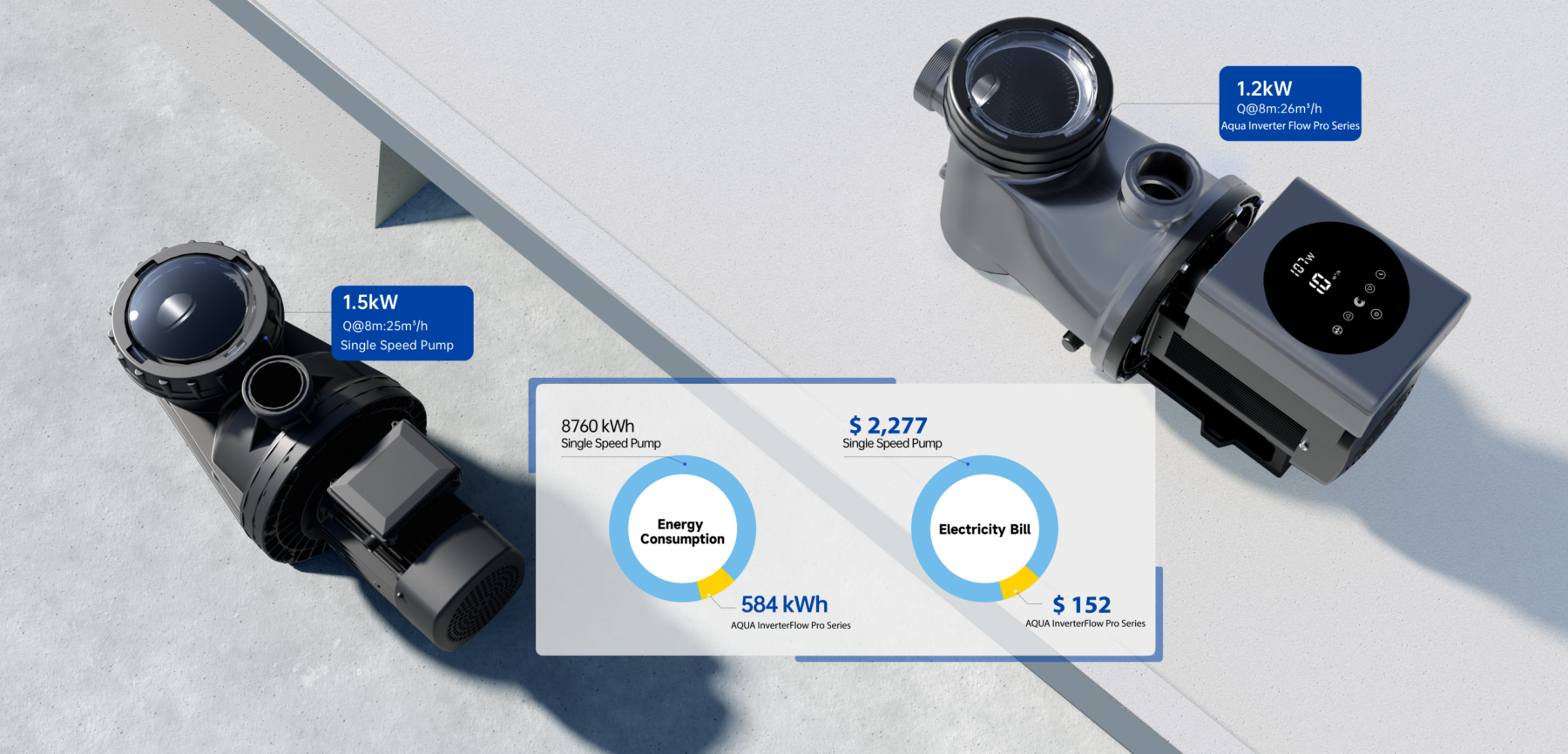
A single-speed pump has one setting: 100% power. It doesn’t matter if you are vacuuming the pool or simply circulating water. It is noisy, with average 70 dB rating, and high energy consumption, which can lead to significantly higher electricity power bill. Reduced filtration efficiency. Increased wear and tear on motor and seals. Large environmental impact. - Variable Speed Pumps: The Intelligent Choice
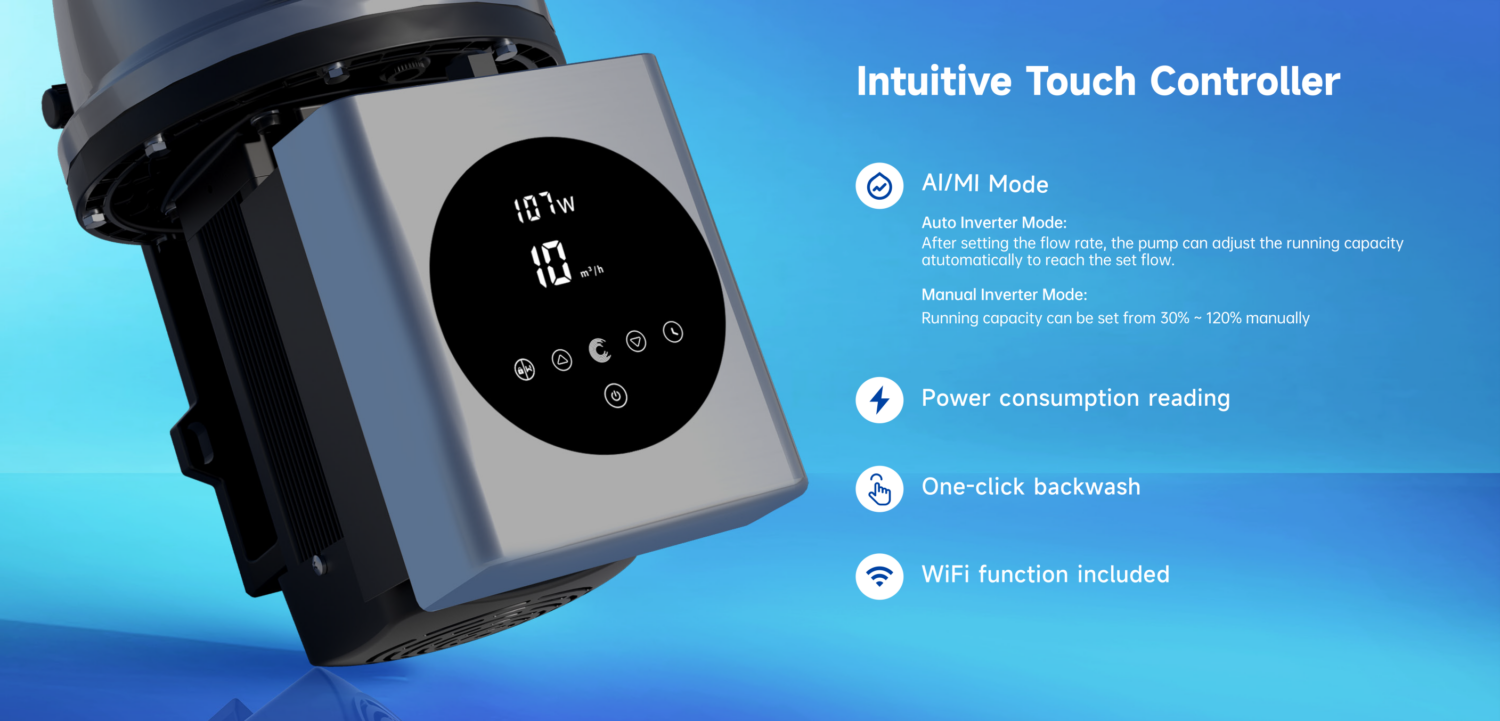
Think of a VS pump like a modern car with cruise control. It uses a brushless DC motor (BLDC) (similar to those in electric vehicles). You can dial it down to a whisper-quiet low speed for the majority of the day and increase when you need to backwash or vacuum.
Why VS Pumps Rule the NZ Climate
Better Filtration: In New Zealand, we deal with significant pollen and dust. When water moves slowly through your filter media, it traps more fine particles. A slow-running VS pump delivers crystal-clear “gin-clear” water.
The “Silent Summer”: NZ properties are getting smaller, and pumps are often located near decks or bedroom windows. At low speeds, a VS pump is barely audible—around 40 dB, similar to a quiet conversation.
Heat Pump Synergy: If you have a pool heat pump to extend your swimming season, a VS pump is essential. It can be set to the exact low flow rate the heater requires and turnover rate to keep your pool clear and safe for swimming.
Crunching the Numbers: The “Ouch” Factor
Let’s look at a typical New Zealand setup: a 1.1 kW (1.5hp) single-speed pump running for 8 hours a day during the summer.
The Calculation Formula
To work out your usage, use this formula:
Daily Cost = (kW of Pump x Hours Run) x Price per kWh
Single Speed Spend (at 39.3c per kWh)
- Daily Cost: 1.1 kW x 8 hours x $0.393 = $3.46
- Monthly Cost (30 days): $3.46 x 30 = $103.80
Yearly Spend (8hr Summer / 4hr Winter): $934.20
Variable Speed Spend
Because of the Affinity Law (halving the speed reduces power use by nearly 87%), a VS pump running at 0.15 kW for 12 hours costs:
- Daily Cost: 0.15 kW} x 12 hours x $0.393 = $0.71
- Monthly Cost: $21.30
- Yearly Spend: ~$210.00
Total Annual Savings: Over $720.00 per year.
The Future: The E3 Strategy & Your Pool
The industry is currently moving toward even higher efficiency. The recently released Equipment Energy Efficiency (E3) Strategy, a partnership between the New Zealand and Australian governments, has set a roadmap through to 2035 that every pool owner should know about:
- Demand Flexibility: New standards (like AS 4755.2:2025) focus on “smart” products. Future VS pumps will be able to communicate with the grid, shifting energy use to off-peak times to further reduce your bills and support NZ’s renewable energy goals.
- Empowered Consumers: The strategy aims to provide clearer, more trusted energy-rating labels, making it easier to compare the long-term running costs of different pump models before you buy.
- Strengthened Standards: The E3 program ensures that only high-performing, energy-efficient equipment reaches the NZ market, keeping “power-hungry” legacy tech off our shelves.
- Climate Resilience: By reducing greenhouse gas emissions through better appliance efficiency, these standards help future-proof the industry against rising energy costs and environmental impacts.
The Verdict
A quality variable speed pump typically pays for itself in less than 18-24 months. Given that these motors experience less stress and often last 8–10 years, you are looking at thousands of dollars in savings over the life of the unit.
If you wish to keep your single speed pump there is an option to install a VS drive, plug and play turning your single speed into an energy saving variable speed !
Installing a standalone Variable Frequency Drive (VFD) allows you to convert your existing single-speed pump into an energy-efficient system by giving you manual control over the motor’s RPM, significantly cutting power costs without the expense of replacing the entire unit.
Fell free to contact us, if you are considering upgrading to stay ahead of the new energy standards and start saving today.